What Is HEPA Filtration in Vacuums?
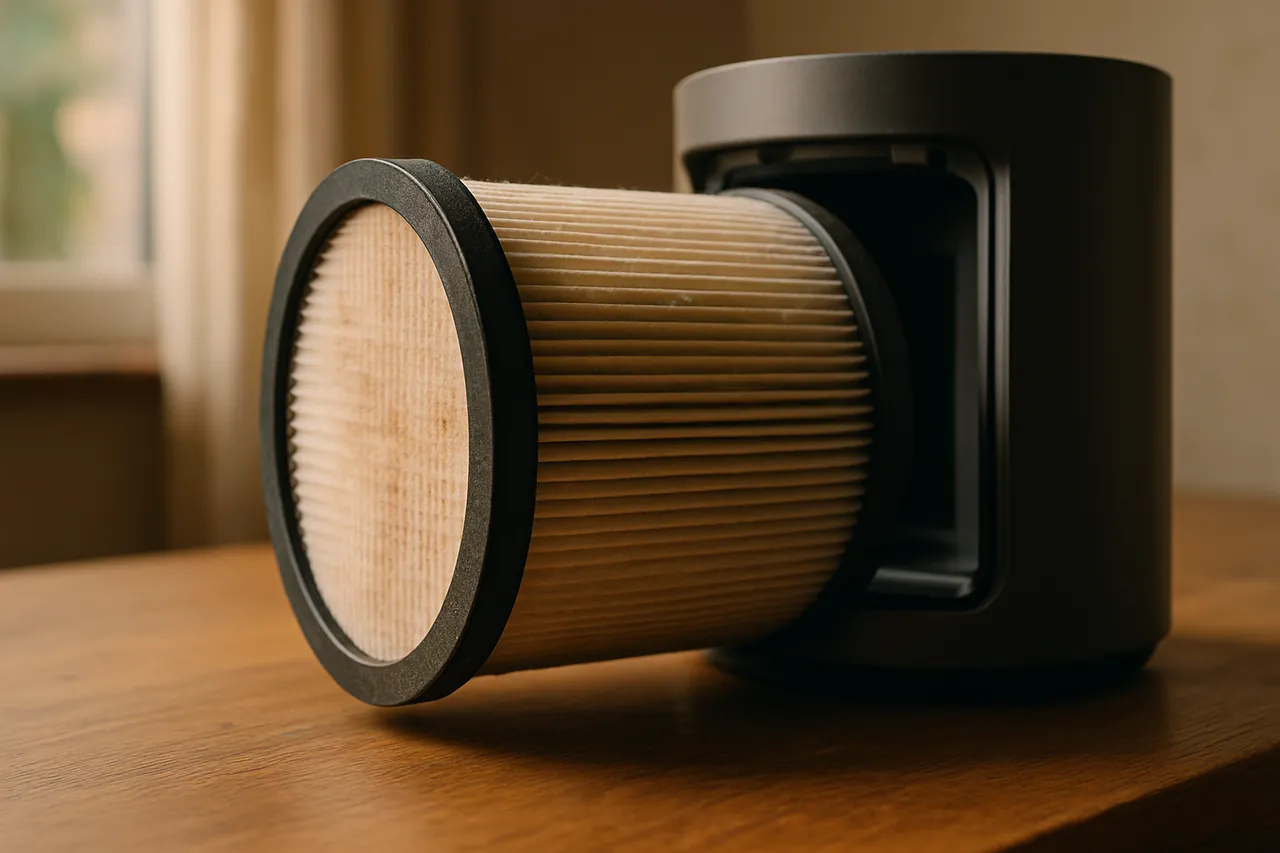
HEPA is one of the most abused words in vacuum marketing. The standard itself is specific; the way brands stretch it is not. Here's what it genuinely means, and the one detail that decides whether it does anything for you.
What HEPA means
A true HEPA filter captures 99.97% of particles at 0.3 microns — fine dust, pollen, pet dander, dust-mite debris. The number isn't marketing; it's a defined standard. 'HEPA-type', 'HEPA-like' or 'HEPA-style' are not held to it and can perform far worse.
Why 'sealed' matters more than the filter
A perfect filter is pointless if unfiltered air escapes around it. Whole-machine or fully-sealed filtration forces all exhaust through the HEPA media. Without sealing, fine dust leaks back into the room — which is why a cheap 'HEPA' vacuum can still be terrible for allergy and asthma households.
When HEPA is worth paying for
Allergies, asthma, pets, or anyone sensitive to dust: yes, and insist on sealed. A small hard-floor home with no sensitivities: it's a nice-to-have, not a deciding factor.
Keeping it effective
A HEPA filter is a consumable. A loaded one both loses suction and leaks — so replacing it on schedule is part of the deal, not optional.
How to read the label without being fooled
Look for two things, not one. First, 'True HEPA' or 'H13' — not 'HEPA-type', 'HEPA-like' or 'HEPA-style', which are marketing, not standards. Second, and more important, the words 'sealed' or 'whole-machine' filtration. A true HEPA filter in an unsealed body still leaks fine dust around the edges. Brands lead with the filter and stay quiet about sealing precisely because sealing is the expensive part.
The bottom line
HEPA is a real standard; the labels around it often aren't. For allergies or pets, insist on true HEPA and a sealed system, and replace the media on schedule. Without sealing, the rating on the box does little for the air in the room.
Frequently asked questions
What does HEPA mean in a vacuum?
A true HEPA filter captures 99.97% of particles at 0.3 microns to a defined standard. 'HEPA-type' or 'HEPA-like' labels are not held to that standard and can perform much worse.
Is a HEPA vacuum worth it?
For allergies, asthma or pet households, yes — provided the system is sealed. For a small hard-floor home with no sensitivities, it's a bonus rather than a deciding feature.
What's the difference between HEPA and sealed HEPA?
HEPA describes the filter; sealed (whole-machine) describes the airflow path. Without sealing, air leaks around the filter and fine dust returns to the room — sealing is what makes HEPA actually work.
Do HEPA filters need replacing?
Yes — most post-motor HEPA filters are replace-only every 6–12 months. A loaded HEPA filter loses suction and leaks, undermining the filtration you paid for.
Related guides
Get our weekly tested picks
Practical maintenance tips and lab-tested recommendations, straight to your inbox.