The Best Cleaning Products of 2026 That Actually Work
Affiliate disclosure: As an Amazon Associate, Ultimate Cleaning Guide earns from qualifying purchases — at no extra cost to you. Picks are chosen on merit. Learn more.
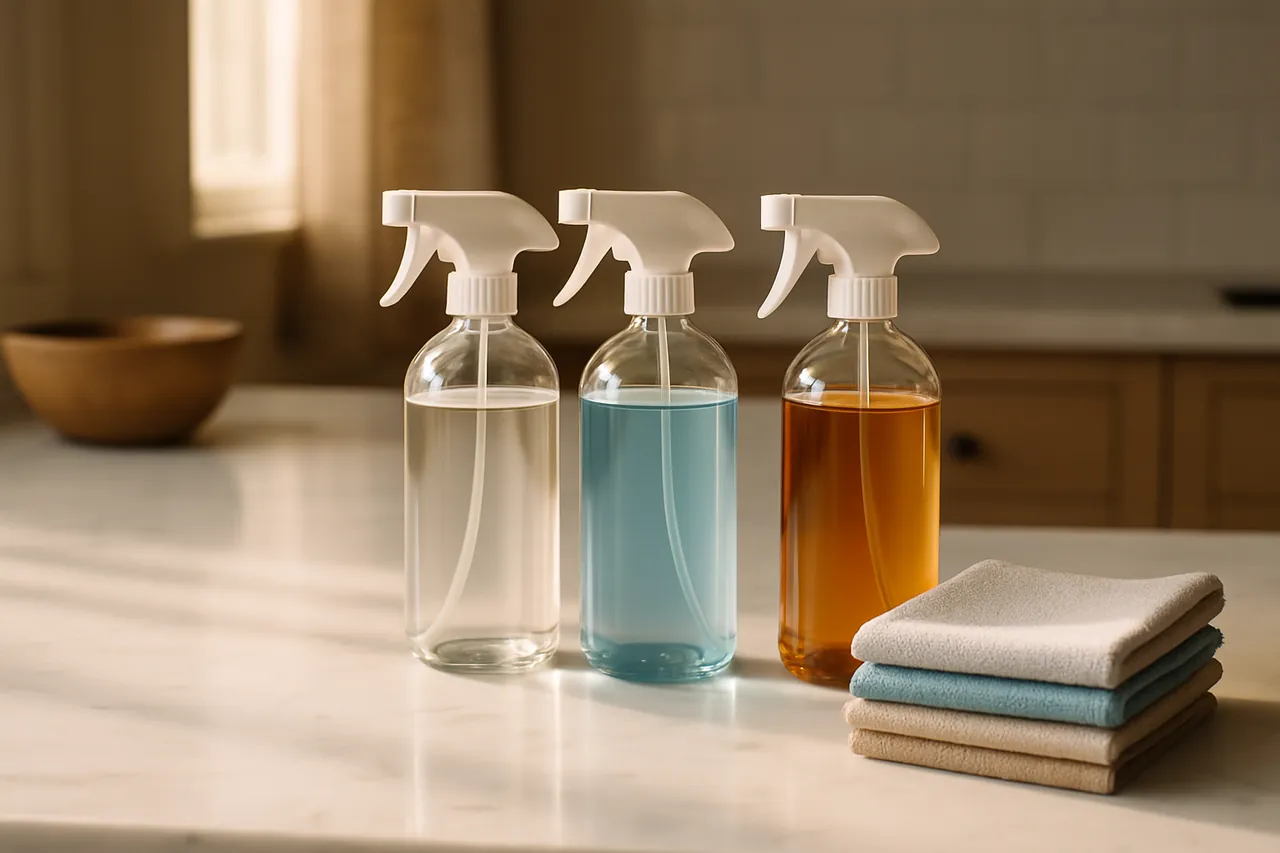
Most cleaning-product marketing sells scent, not performance. We tested on the things that actually fight back — baked-on stovetop grease, hard-water film, stainless steel, soap scum — scoring how fast each cleans with the least product and the least scrubbing. This guide answers the real searches: the best degreaser for a kitchen, a non-toxic all-purpose cleaner that actually works, the best cleaner for stainless steel, and a truly streak-free glass approach. Build a small, targeted kit from the picks below rather than a cabinet of single-use sprays. Picks are chosen on merit; affiliate links fund testing at no cost to you.
Quick picks
Comparison at a glance
| Product | Best For | Surface Type | Form | Eco | Price Range |
|---|---|---|---|---|---|
| Dawn Powerwash | Everyday grease | Kitchen / sealed | Spray | Moderate | $ |
| Zep Heavy-Duty Citrus | Heavy degreasing | Hard / non-porous | Dilutable liquid | Low | $ |
| Bar Keepers Friend | Stainless & ceramic | Stainless / ceramic | Powder/paste | Moderate | $ |
| Method All-Purpose | Daily eco cleaning | Most sealed | Spray | High | $ |
| MR.SIGA Microfiber | All surfaces | All | Cloth | High | $ |
Price range is an indicative tier ($ = budget → $$$$ = premium), not a live price. Tap any product for the current Amazon price.
What to look for
Build a small targeted kit, not a cabinet
The biggest mistake is buying a different single-use spray for every surface. Four products — an everyday degreaser, a heavy-duty degreaser, a restorative cleanser, and a gentle eco all-purpose — plus great microfiber will out-clean a cupboard of niche bottles at a fraction of the cost and clutter.
Respect dwell time
Most people spray and immediately wipe, which is why cleaners 'don't work'. Degreasers and disinfectants need to stay wet on the surface for the time stated on the label (often 1–10 minutes) to actually break down soil or kill germs. Patience beats scrubbing almost every time.
Match chemistry to the surface
pH matters: acidic cleaners cut limescale and soap scum but etch natural stone; alkaline degreasers dissolve grease but can strip finishes; neutral cleaners are safest for daily use on sealed surfaces. Knowing which is which prevents permanent damage to stone, finished wood and delicate metals.
Cleaning is not disinfecting
Cleaning removes soil; disinfecting kills germs. Most all-purpose sprays and vinegar do the former, not reliably the latter. For genuine sanitisation use an EPA-registered disinfectant and follow its contact time — do not assume a nice-smelling spray is killing pathogens.
Value is cost per clean, not bottle price
A concentrate you dilute, or a cloth that replaces paper towels, can be far cheaper per use than a cheap-looking bottle you burn through weekly. Factor dilution ratio, yield and reusability — the cheapest shelf price is often the most expensive over a year.
How we tested
Every product was tested on identical real-world soils across multiple surfaces, scored on speed, scrubbing effort, residue and safety.
Grease test
Baked-on cooking grease on stovetop and range hood; timed and scored on passes needed.
Hard-water & scum
Soap scum and limescale on glass and chrome, fixed dwell time, rated on residue.
Surface safety
Patch-tested on stone, stainless, glass, sealed wood and painted surfaces for damage/streaking.
Yield & value
Dilution ratio and coverage tracked to estimate real cost per clean, not bottle price.
Ventilation & odour
Fume strength and ventilation needs assessed for everyday indoor use.
Tools
Microfiber tested for streaking, lint and durability across repeated wash cycles.
The 5 best cleaning products, reviewed in depth
 BEST EVERYDAY
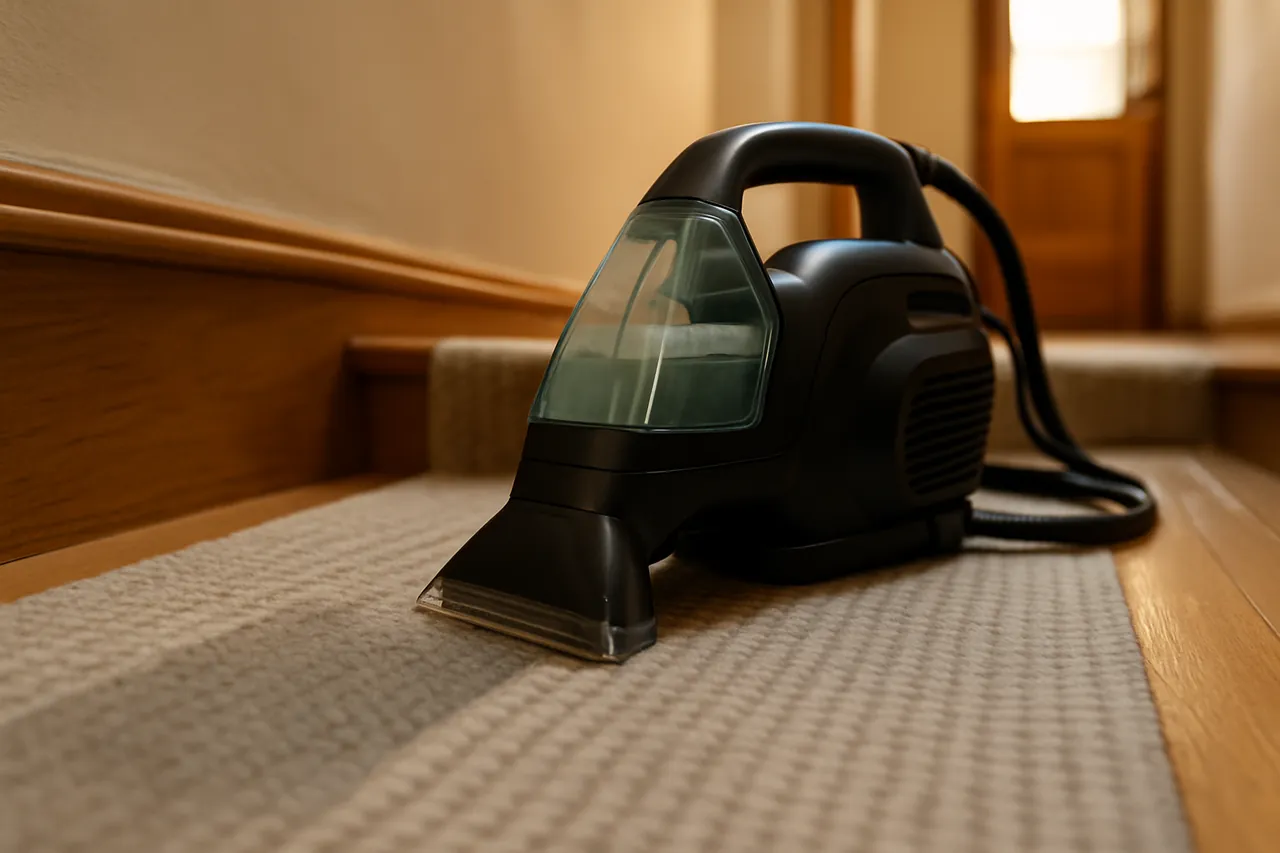
Dawn Powerwash Dish Spray
The best everyday kitchen degreaser hiding in a dish-soap bottle.
Daily kitchen grease — stovetops, range hoods, cabinet fronts and cookware — with minimal scrubbing.
add_circlePros
- checkCuts fresh grease almost on contact
- checkSpray form needs no dilution or cloth-soaking
- checkInexpensive and widely available
- checkDoubles far beyond dishes
- checkPleasant, not overpowering
do_not_disturb_onCons
- closeNot a disinfectant
- closeStruggles with fully baked-on carbonised grease
- closePlastic single-use trigger bottle
Real-world performance
In the grease test it cleared fresh-to-day-old stovetop grease in one or two passes where diluted sprays needed three and real scrubbing. Its everyday value is as a fast kitchen degreaser, not just dishwashing — that is where it earns the everyday pick.
Surface compatibility
Safe on sealed kitchen surfaces, glass cooktops, stainless and cookware. Spot-test on delicate finishes; rinse food-contact surfaces after use.
Safety & ventilation
Low-fume and comfortable for daily indoor use with normal ventilation. Not a sanitiser — pair with a disinfectant where germ-kill matters.
Value & yield
Cheap per bottle and you use little per job, so cost per clean is excellent. The main critique is single-use packaging rather than a concentrate.
Storage & shelf life
Long shelf life, store upright; the only failure point is a worn trigger over time.
Who should avoid it
Skip as your only product if you need disinfection or heavy carbonised-grease removal — pair it with Zep and a disinfectant.
 HEAVY DUTY
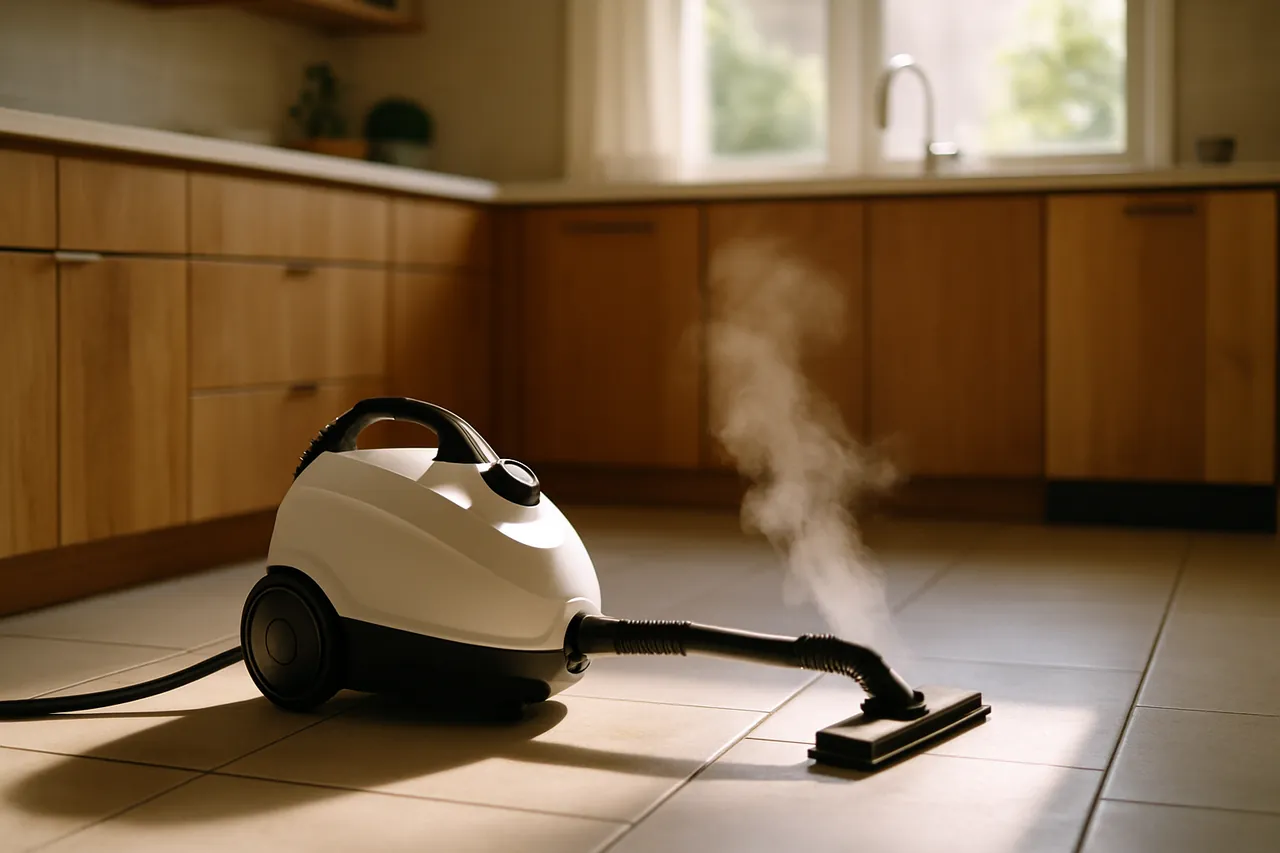
Zep Heavy-Duty Citrus Degreaser
The best heavy-duty degreaser for the jobs that beat everyday sprays.
Industrial-grade messes: oven interiors, range hoods, garage floors, grill grates and tools.
add_circlePros
- checkDissolves heavy, baked-on organic grease
- checkHighly dilutable — one bottle goes far
- checkPro-grade results at a low price
- checkVersatile across kitchen, garage, outdoors
- checkCitrus base less harsh than solvent degreasers
do_not_disturb_onCons
- closeToo aggressive for delicate/finished surfaces
- closeNeeds gloves and ventilation at strong dilutions
- closeNot a daily-driver spray
Real-world performance
Where Dawn taps out — carbonised oven grime and garage-floor grease — Zep is the workhorse. At full strength it lifted baked-on grease that nothing else in the test touched; dilute it down and it becomes a flexible all-rounder.
Surface compatibility
Excellent on hard, non-porous, unfinished surfaces. Keep it off natural stone, waxed/finished wood and delicate paint — it is strong by design.
Safety & ventilation
Use gloves and ventilate at strong dilutions; the citrus base is milder than petroleum degreasers but still industrial. Follow label dwell time.
Value & yield
Best value here for tough jobs because it is concentrated — the effective cost per clean is very low once diluted appropriately.
Storage & shelf life
Long-lived concentrate; store sealed away from heat and out of reach of kids/pets.
Who should avoid it
Avoid for everyday wiping or on any delicate/stone/finished surface — use Dawn or Method there. This is a targeted heavy-duty tool.
 BEST CLEANSER
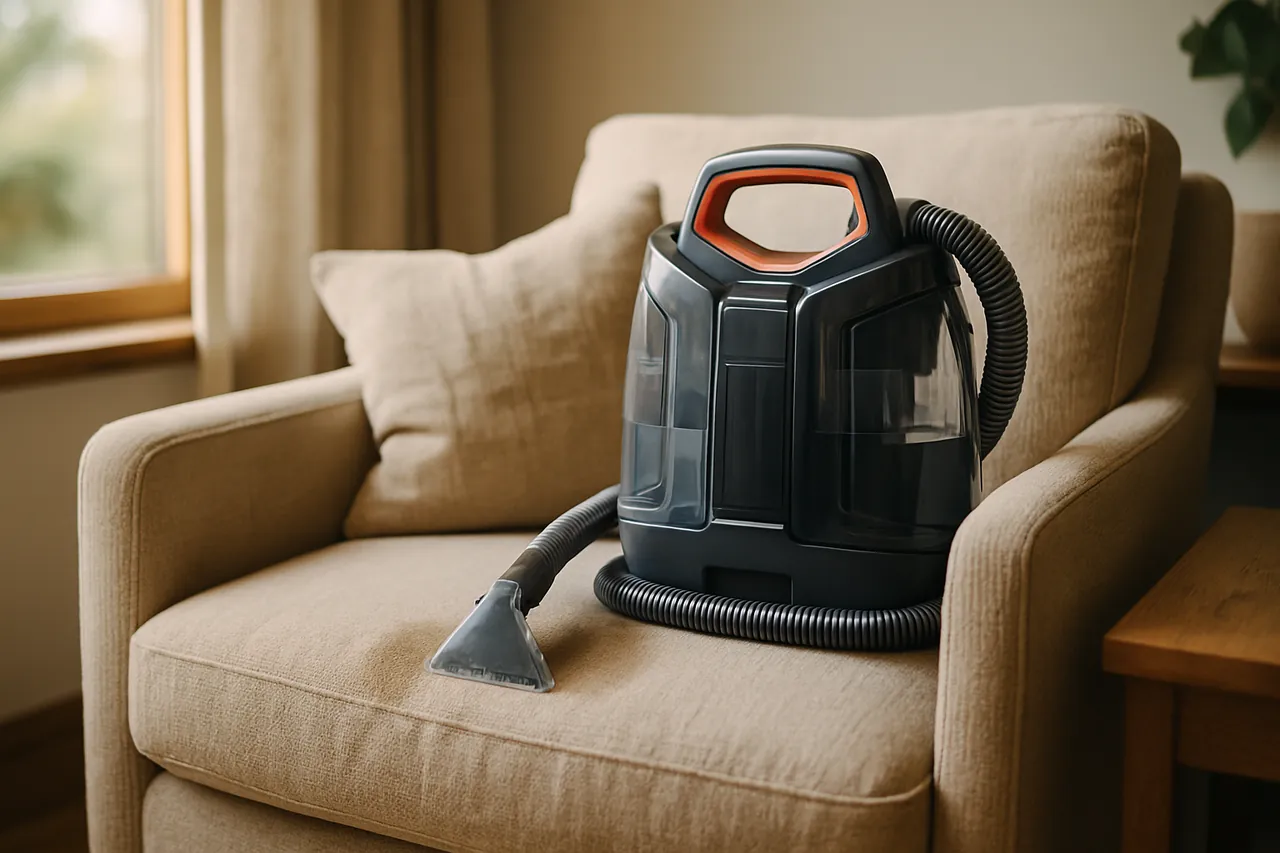
Bar Keepers Friend Cleanser
The best cleanser for restoring stainless steel and ceramic.
Bringing stainless sinks, cookware, ceramic and glass cooktops back to like-new without scratching.
add_circlePros
- checkRemoves rust, hard-water marks and discolouration
- checkMild oxalic action outperforms baking soda
- checkRestores stainless and ceramic shine
- checkCheap and long-lasting
- checkPowder and pre-made paste options
do_not_disturb_onCons
- closeMust be rinsed thoroughly
- closeNot for natural stone or anodised aluminium
- closeRequires light effort and a damp cloth
Real-world performance
On a stained stainless sink and a discoloured ceramic pan it restored a near-factory finish in minutes where dish soap and baking soda barely moved the marks. Used with the grain and rinsed well, it is the single most satisfying product in this guide.
Surface compatibility
Stainless, ceramic, glass cooktops, porcelain and most tile. Not safe on marble/granite, anodised aluminium, or delicate coatings — patch-test.
Safety & ventilation
Low fume; wear gloves for repeated use (mild acid). Always rinse fully so no residue dulls the surface afterward.
Value & yield
A tub lasts a very long time because each job uses a small amount — outstanding cost per clean for a restorative cleanser.
Storage & shelf life
Powder stores indefinitely if kept dry; the pre-made paste/liquid has a normal long shelf life.
Who should avoid it
Avoid on stone and delicate metals, and skip if you want a no-rinse spray-and-wipe — this is a restorer, used occasionally, not a daily spray.
 BEST ECO
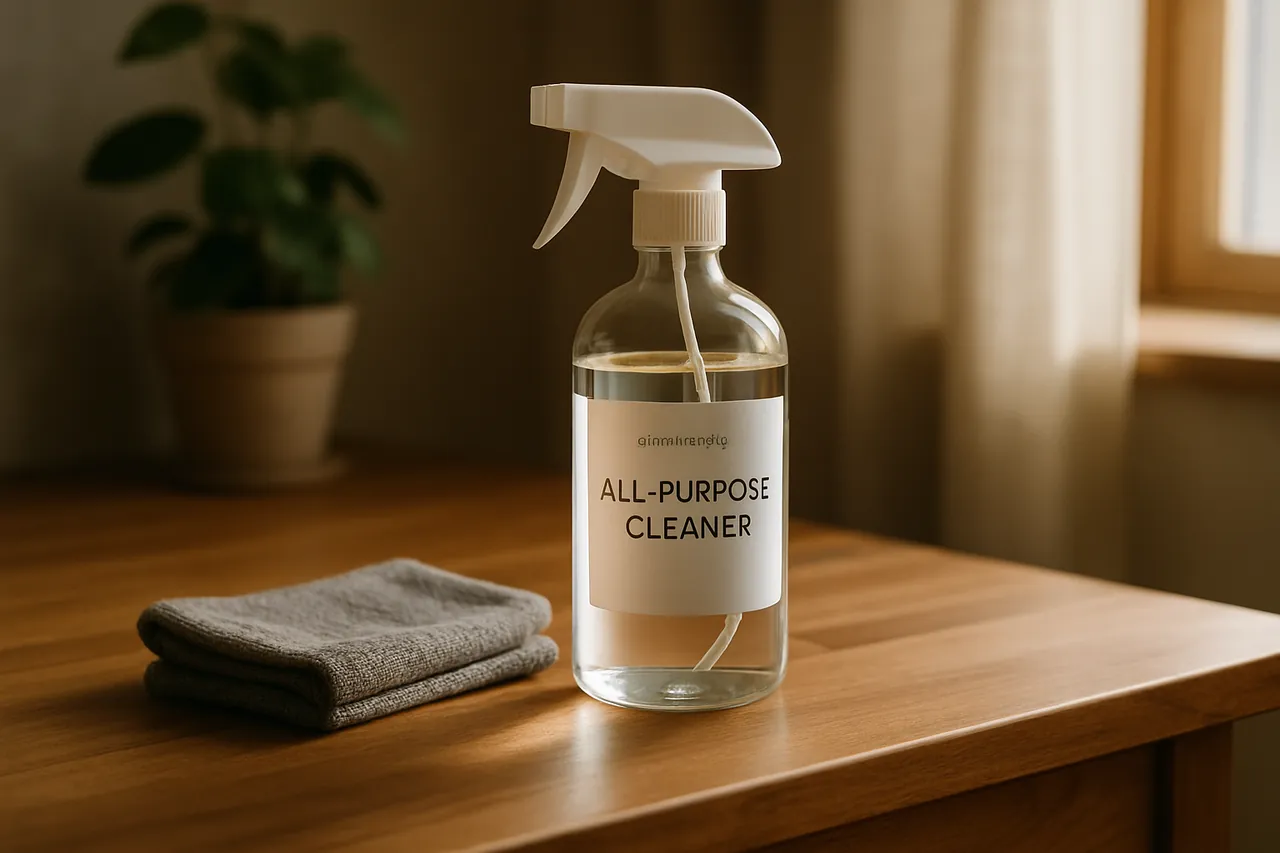
Method All-Purpose Cleaner
The best non-toxic all-purpose cleaner that genuinely performs daily.
Everyday surfaces in homes minimising harsh chemicals — counters, sealed wood, glass, painted surfaces.
add_circlePros
- checkPlant-based formula that actually cleans daily soils
- checkLow-residue, pleasant to use indoors
- checkSafe on most sealed surfaces
- checkNo harsh fumes — good around kids/pets
- checkReasonable price for an eco product
do_not_disturb_onCons
- closeNot for heavy baked-on grease
- closeNot a disinfectant
- closeScent is divisive for some
Real-world performance
For daily counters, fingerprints, light kitchen film and glass it performed on par with conventional sprays in our test — the gap only appears on heavy grease. As the everyday eco driver in a kit (with Zep reserved for hard jobs) it is excellent.
Surface compatibility
Safe on most sealed everyday surfaces: counters, sealed wood, glass, painted and laminate. As always, avoid unsealed stone with any spray and patch-test delicate finishes.
Safety & ventilation
Its core advantage: low-fume, low-tox, comfortable for continuous indoor use around children and pets without heavy ventilation.
Value & yield
Mid-price but used daily; cost per clean is reasonable and refill sizes improve it further.
Storage & shelf life
Standard long shelf life; store at room temperature.
Who should avoid it
Avoid as a single solution if you regularly face baked-on grease or need disinfection — pair with Zep and an EPA-registered disinfectant.
BEST TOOLMR.SIGA Microfiber Cloths
The cheapest upgrade with the biggest payoff — truly streak-free glass.
Every surface — the tool that makes whatever cleaner you use perform better, often with just water.
add_circlePros
- checkStreak-free on glass and mirrors
- checkLifts dust and bacteria with water alone
- checkHigh-GSM weave is durable through hundreds of washes
- checkCuts how much product you need
- checkCheap in multipacks
do_not_disturb_onCons
- closeMust be washed without fabric softener
- closeQuality varies by brand — GSM matters
- closeNeeds occasional replacement once worn
Real-world performance
Swapping paper towel/cotton for high-GSM microfiber was the single biggest streak-reduction change in testing — glass and stainless came up clear with water alone. It also stretches every other product in this guide further.
Surface compatibility
Universal: glass, stainless, wood, screens, counters. Use a dedicated cloth set for bathrooms vs kitchen to avoid cross-use.
Safety & ventilation
No chemicals required for many jobs — the safest 'product' here and a genuine way to reduce overall cleaner use.
Value & yield
Pennies per use over its life; the highest performance-per-dollar item in the guide by a wide margin.
Storage & shelf life
Lasts hundreds of wash cycles if washed without fabric softener (which clogs the fibres) and air- or low-heat dried.
Who should avoid it
Effectively no one — the only mistake is buying low-GSM bargain cloths that lint and do not last. Buy a known high-GSM set.
The bottom line
The winning kit is small and deliberate: Dawn Powerwash for everyday grease, Zep Citrus held in reserve for the brutal jobs, Bar Keepers Friend to restore stainless and ceramic, Method as the low-tox daily driver, and high-GSM MR.SIGA microfiber to make all of them work better. Skip the scented single-use sprays, respect dwell time, and match chemistry to the surface — that approach cleans faster, cheaper and more safely than any one 'miracle' product.
Frequently asked questions
Which cleaning products should you never mix?
Never mix bleach with ammonia, vinegar, or any acid — the reactions release toxic chloramine or chlorine gas. Don't mix different drain cleaners, or hydrogen peroxide with vinegar in a closed container. When in doubt, rinse a surface and fully dry it before switching products, and never combine two cleaners hoping for more power.
Is vinegar actually a good disinfectant?
Vinegar is a decent cleaner and deodoriser but a weak disinfectant — it does not reliably kill many bacteria and viruses to a sanitising standard. For genuine disinfection use an EPA-registered product and respect its dwell time. Use vinegar for descaling and glass, not for sanitising cutting boards or bathrooms.
Do eco / plant-based cleaners actually work?
The good ones do for everyday soils. Modern plant-based all-purpose sprays handle daily grime, glass and sealed surfaces well; where they lag is heavy baked-on grease and serious disinfection. A practical kit pairs an eco daily spray with one stronger degreaser for the hard jobs.
What is dwell (contact) time and why does it matter?
Dwell time is how long a product must stay wet on a surface to do its job — especially for disinfectants and degreasers. Spraying and immediately wiping is the most common cleaning mistake. Let degreasers and disinfectants sit (often 1–10 minutes per the label) before wiping for dramatically better results.
What is the best product for stainless steel?
For cleaning and de-staining, a mild cleanser like Bar Keepers Friend (used with the grain, then rinsed) restores stainless without scratching. For day-to-day fingerprints, a microfiber cloth with a little water or a dedicated stainless polish keeps it streak-free. Avoid abrasive pads and bleach on stainless.
Is vinegar or acidic cleaner safe on stone like marble?
No. Acidic cleaners (vinegar, many limescale removers) etch and dull natural stone such as marble and travertine permanently. Use a pH-neutral stone cleaner on those surfaces, and keep acidic products for glass, chrome and ceramic only.
How long should I let a cleaner sit before wiping?
It depends on the job, but the universal mistake is wiping too soon. For everyday all-purpose cleaning, 30–60 seconds is usually enough. For degreasers on baked-on grime, give it 3–10 minutes. For disinfectants, follow the label's stated contact time exactly (often 1–10 minutes) — if the surface dries before that, reapply. Letting chemistry do the work almost always beats scrubbing harder.
Are concentrated cleaners better value than ready-to-use sprays?
Almost always, yes. A concentrate you dilute yourself can produce many bottles' worth of usable cleaner for the price of one ready-to-use spray, and you are not repeatedly paying to ship water. The trade-off is convenience and the small risk of mixing the wrong ratio — follow the dilution chart and keep one labelled spray bottle per product.
Keep reading
Get our weekly tested picks
New lab-tested recommendations and deal alerts, straight to your inbox.