Can Robot Vacuums Replace Regular Vacuums?
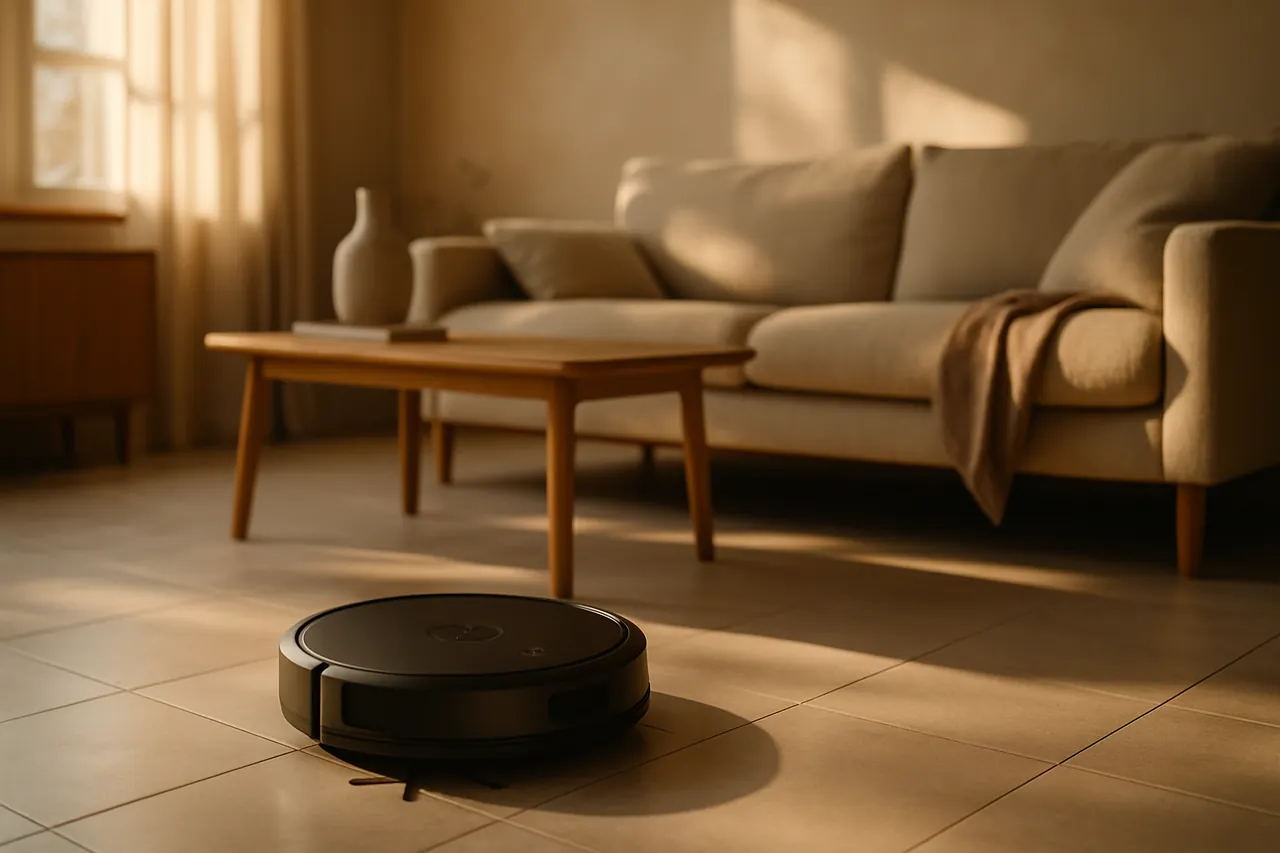
It is the question every buyer asks before spending real money: if I get a robot vacuum, can I throw out my regular one? The honest answer is 'partly, and it depends almost entirely on your floors and your expectations.' A good robot has quietly become the only vacuum a lot of homes touch week-to-week — and a frustrating downgrade for others who expected it to deep-clean carpet like an upright. This guide separates the two, scenario by scenario, so you know which camp you are in before you buy. If you are still weighing the category itself, pair this with are robot vacuums worth it?.
What a robot genuinely replaces
On the job most people actually do most often — routine maintenance vacuuming of open floors — a capable robot does not just match a regular vacuum, it beats it, because it runs every day without you. Daily dust, crumbs, pet hair and tracked-in grit never get the chance to build up, so floors stay at a level a once-a-week manual vacuum never sustains. For hard floors and low-to-medium pile carpet in an averagely cluttered home, a strong LiDAR robot with decent suction realistically becomes the only vacuum you reach for week to week.
That is a real replacement, not a gadget. The catch is that 'most often' is not 'everything,' and the gaps are specific and predictable.
Where robots still fall short of a regular vacuum
These limits are structural, not just a matter of buying a pricier model:
- Deep carpet extraction. A low-profile robot cannot match the airflow and beater-bar action of a good upright on thick or plush carpet. It maintains the surface; it does not deep-clean the pile.
- Stairs. No mainstream robot does stairs. If you have them, a stick or handheld stays in the cupboard — see the best cordless vacuums for stairs.
- Above-floor and detail work. Upholstery, car interiors, skirting, ceiling corners, inside cupboards — all need a handheld or stick the robot simply cannot do.
- Big one-off messes. Spilled flour, a knocked-over plant, post-renovation dust: faster and more thorough with a manual vacuum than waiting on a robot.
- Edges, corners and very cluttered rooms. Robots have improved but still leave tight corners and heavily obstacle-filled floors less than perfect.
The deciding factor: your carpet, honestly assessed
Almost the entire 'can it replace my vacuum' question collapses to one variable: how much deep, plush carpet you have. Press your hand flat into the carpet. If your fingers barely sink — hard floors, tile, low or flatweave pile — a robot can genuinely be your only vacuum for week-to-week cleaning. If your fingers disappear into dense, springy pile across much of the home, a robot maintains it between cleans but will not retire the upright that periodically deep-extracts it. The same honest self-assessment we apply to sticks in can a cordless vacuum replace a full-size vacuum? applies here.
The setup most homes actually land on
In practice very few people end up with literally one vacuum. The pattern that works for the majority is not 'robot instead of everything' — it is a deliberate division of labour:
- Robot handles daily and routine floor cleaning across the home, unattended, so floors never get bad in the first place
- One cordless stick or compact upright covers stairs, upholstery, edges, the car, and the occasional deep pass on carpet
- The bulky old corded upright is the part that genuinely becomes redundant and gets retired
So the realistic claim is not 'a robot replaces your vacuum' — it is 'a robot plus one good stick replaces your vacuum collection,' and removes the chore of routine vacuuming almost entirely. For many buyers a robot vacuum and mop combo plus a single stick is the whole toolkit.
Who should expect a full replacement — and who shouldn't
You can realistically go robot-only for week-to-week cleaning if: your home is mostly hard floors or low/medium carpet, it is reasonably tidy, you have no stairs (or accept handling them separately), and you value consistent daily upkeep over occasional deep cleans. Lean toward keeping a capable manual vacuum if: you have extensive deep plush carpet, multiple staircases, frequent large messes, pets that shed heavily into thick pile, or you simply want the reassurance of a periodic deep clean a robot cannot deliver.
How we approach this comparison
This guide is not built on a single afternoon with one robot. Our view comes from running mapping and non-mapping robots alongside corded uprights and cordless sticks across hard floor, low-pile and plush carpet, and tracking what each tool actually ends up being used for week after week — not what its spec sheet promises. The pattern is consistent enough to be predictive: the robot wins on frequency and consistency, the manual vacuum wins on intensity and reach, and the households that are happiest are the ones who bought for that division rather than expecting one device to do everything.
We deliberately resist the two easy narratives — 'robots are a gimmick' and 'robots replace everything' — because neither survives contact with a real home. The honest answer is conditional, and the conditions are knowable in advance, which is the entire point of this article.
The convenience math people underrate
Buyers tend to compare a robot's cleaning power to an upright's and conclude it loses. That comparison quietly omits the most valuable variable: a robot cleans on days you never would have. A manual vacuum that deep-cleans brilliantly but comes out once a week leaves six days of accumulation; a robot that cleans 'merely well' every day means there is rarely much to accumulate. For most households the relevant question is not 'which device cleans harder in a single pass' but 'which approach keeps the floor cleaner across an actual month' — and on that measure consistent automation is hard to beat.
This is also why self-emptying docks change the calculation so much: they extend the unattended interval from days to weeks, which is what makes 'set it and genuinely forget it' real rather than aspirational. If hands-off operation is the goal, that feature matters more than a marginal suction increase — we cover it in best self-emptying robot vacuums.
Pet households: the case that goes both ways
Pets are the scenario where the answer genuinely splits. For pet hair on hard floors and low carpet, a daily robot run is arguably better than periodic manual vacuuming, because hair never gets the chance to build into tumbleweeds — provided the robot has an anti-tangle roller and you empty or auto-empty it on schedule. But heavy shedding ground into thick carpet is exactly the deep-extraction job robots are weakest at, and pet accidents are the one mess you absolutely do not want a non-AI robot to find. Pet owners should weight obstacle recognition and roller design heavily, and most still keep a stick for the deep and detail work.
Cost: replacing a vacuum vs adding a chore-remover
There is a framing trap worth naming. If you judge a $500–$1,200 robot purely as a replacement for a $200 upright, it looks like terrible value. That comparison is wrong, because it prices only the cleaning and ignores what you are actually buying: the elimination of a recurring weekly chore for years. The honest cost question is not 'is this robot as good as my upright' but 'is removing routine floor vacuuming from my life worth this over its lifespan' — for a lot of households, framed that way, it clearly is.
The corollary is that you should not also bin a working manual vacuum to justify the spend. The financially and practically sound setup is to keep one inexpensive stick for the jobs robots structurally cannot do, and let the robot retire the chore rather than the entire toolbox. Buying a flagship robot and a flagship stick is rarely necessary; a strong robot and a modest stick covers almost everything. We size that trade-off in are robot vacuums worth it?.
The realistic verdict
Can a robot vacuum replace a regular vacuum? For the routine, week-to-week vacuuming most people actually do — on hard floors and low-to-medium carpet, in a reasonably tidy, stair-free home — yes, and it will likely keep your floors cleaner than you did manually because it never skips a day. Can it replace all vacuuming? No: stairs, upholstery, deep plush carpet and big one-off messes still need a manual machine. The accurate, non-hype conclusion is that a good robot plus one good stick replaces your vacuum collection and removes the chore — and that, for most homes, is the outcome that actually matters.
Frequently asked questions
Can a robot vacuum completely replace a regular vacuum?
For week-to-week cleaning of hard floors and low-to-medium carpet, yes — a capable robot becomes the vacuum you actually use, and arguably cleans better because it runs daily. It does not replace a regular vacuum for stairs, upholstery, deep plush carpet extraction, or large one-off messes. Most homes end up keeping one stick vacuum alongside it.
Do robot vacuums clean as well as regular vacuums?
On open hard floors and lighter carpet, a good robot's per-pass cleaning is close to a regular vacuum's — and because it cleans every day, real-world floor cleanliness is often better. On thick or plush carpet a robot maintains the surface but cannot deep-extract the pile the way a strong upright can.
What can't a robot vacuum do that a regular vacuum can?
Stairs, upholstery and above-floor detail work, deep extraction of plush carpet, tight corners and very cluttered floors, and fast cleanup of large one-off spills. These are structural limits of a low-profile autonomous device, not something a more expensive model fixes.
Should I keep my old vacuum if I buy a robot vacuum?
Usually keep one lightweight stick or handheld for stairs, upholstery, edges and quick big messes — that combination covers everything. The bulky corded upright is typically the piece that genuinely becomes redundant once a robot handles daily floors.
Is a robot vacuum enough as my only vacuum?
If your home is mostly hard floors or low/medium carpet, fairly tidy, and stair-free, a strong LiDAR robot can be your only routine vacuum and you will clean more consistently than you did by hand. Homes with lots of deep carpet, stairs or frequent heavy messes should plan on a robot plus one manual vacuum.
Related guides
Get our weekly tested picks
Practical maintenance tips and lab-tested recommendations, straight to your inbox.